


Art has accompanied humanity since the dawn of time, and its influence on humankind is both mysterious and fascinating. From cave paintings to contemporary art galleries, it has been present throughout the ages, inspiring, teaching, and evoking emotions. But why do humans create art? What evolutionary mechanisms lie behind this unique trait?
In this article, we will explore how art has influenced the development of humans as a species. We will also look at visual disciplines, such as painting, sculpture, and photography, which directly engage our sense of sight.
Artists have been exploring visual perception long before scientists (from various fields, including psychology) began delving into it and asking the question: what connects our brain—through our sense of vision—with art?
Art in Human Evolution
Art as Evidence of the Evolution of Our Brain
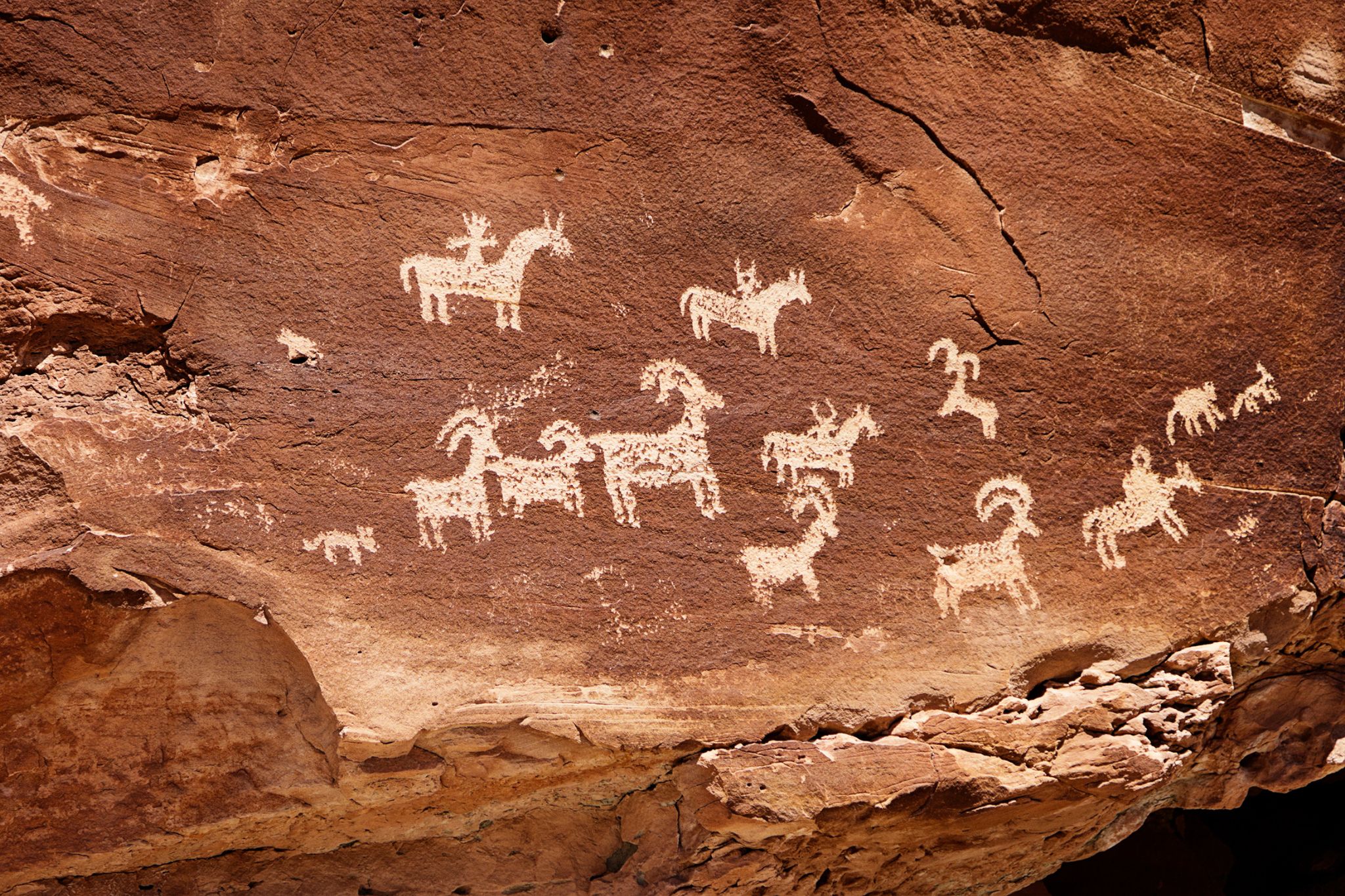
From cave paintings to modern galleries, art reflects the evolution of the human brain. Cave paintings were not only an expression of creativity but also evidence of the development of symbolic thinking.
According to Darwin’s theory, any behavior that endured must have provided benefits ensuring the survival of the species.
So, what benefits did art offer to our ancestors?
Art has always seemed at odds with evolutionary pragmatism—it neither protects, feeds, nor warms. And yet, early humans dedicated time and resources to it.
Scientists propose two main theories: art as an adaptation enhancing the ability to tackle challenges faced by contemporaries (a function it still serves today), or simply as a form of play. Alternatively, it may have served as a means of increasing attractiveness in mate selection.
Both theories emphasize that art may have played a crucial role in helping humans adapt to a changing world.
Art as Play.
How did exploration and creativity help our ancestors survive?
We all recognize the stunning nature documentaries showcasing the mesmerizing, almost magical sight of large pods of dolphins gliding through the open seas, occasionally leaping several meters above the water’s surface. Research into their behavior is ongoing, but they do it for fun. Similarly, manta rays and whales exhibit comparable playful behaviors.
Lion cubs, bored of lounging on the savannah, engage in “play-fights” with peers and adult pride members. They honing skills they’ll need to establish their future roles. Fox cubs venture from their dens to explore new parts of the forest. Chimpanzees and crows craft tools — sticks to extract food from hidden crevices.
Such behaviors increase survival chances in challenging environments, blending exploration, learning, and creativity. Similarly, art likely emerged as a space for humans to practice and express creativity. Even today, through art, we continue to explore, learn, and engage with our world in profoundly meaningful ways.

Art and Attractiveness.
Creativity as a Way to Attract Partners
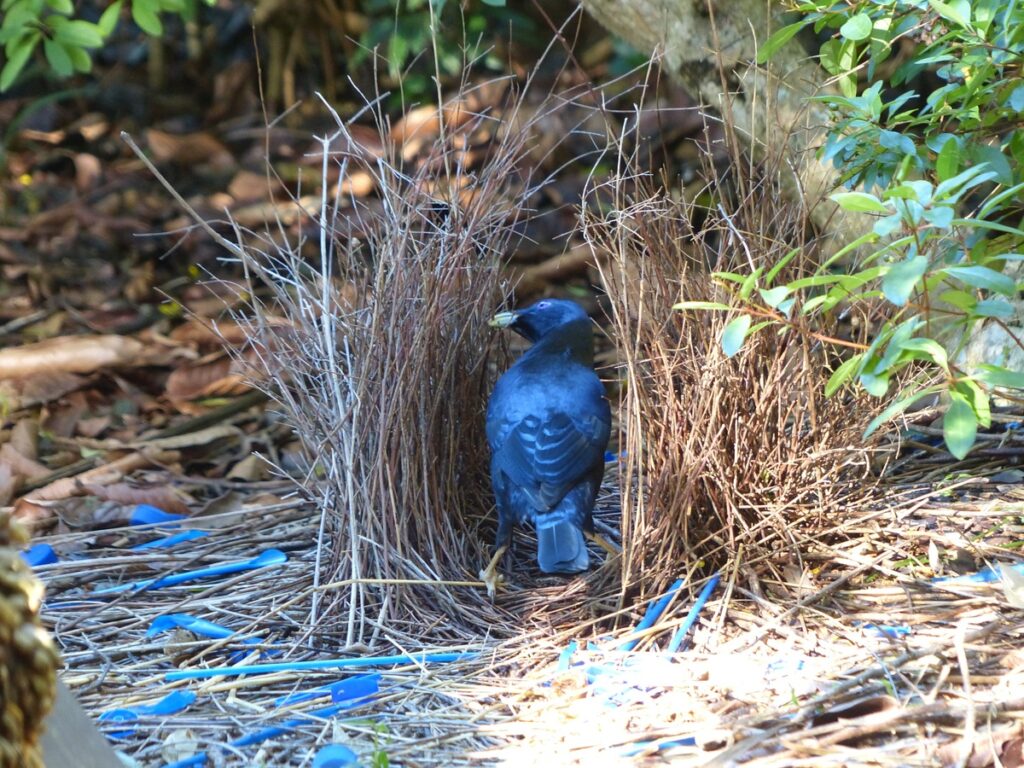
So, it became more than just a display of health and strength – behavioral tendencies involving aesthetic qualities were added. Let’s take the bowerbird as an example. This unassuming little bird spends hours collecting moss, ferns, flowers, shells, and colorful paper to decorate its ground nest. The goal is clear – it does this to impress females. Potential mates arrive and observe the male’s work – and often, they fly away, leaving the disappointed male behind. The decorations didn’t appeal to them!
Mysterious decorative circles, with a diameter of up to two meters, can be found on the bottom of the Pacific Ocean off the coast of Japan. They are created by a small fish called the pufferfish. The male of this species spends several hours painstakingly pressing the shape of its body into the sandy seabed. And then decorates the whole composition with tiny stones and shells. When he finishes, he lies in the center and waits for a female to be attracted by his effort and skill.
This and other examples suggest that traits like creativity may affect attractiveness.
It’s possible that early forms of art took exactly this shape – play and partner selection. However, they evolved over time, expanding their functions.
Art as a Form of Emotional Expression.
Why does art help in expressing and regulating emotions?
Human emotionality evolved last and was meant to support us in dealing with challenges and taking advantage of the opportunities that life presents. And, of course, to directly help the species survive.
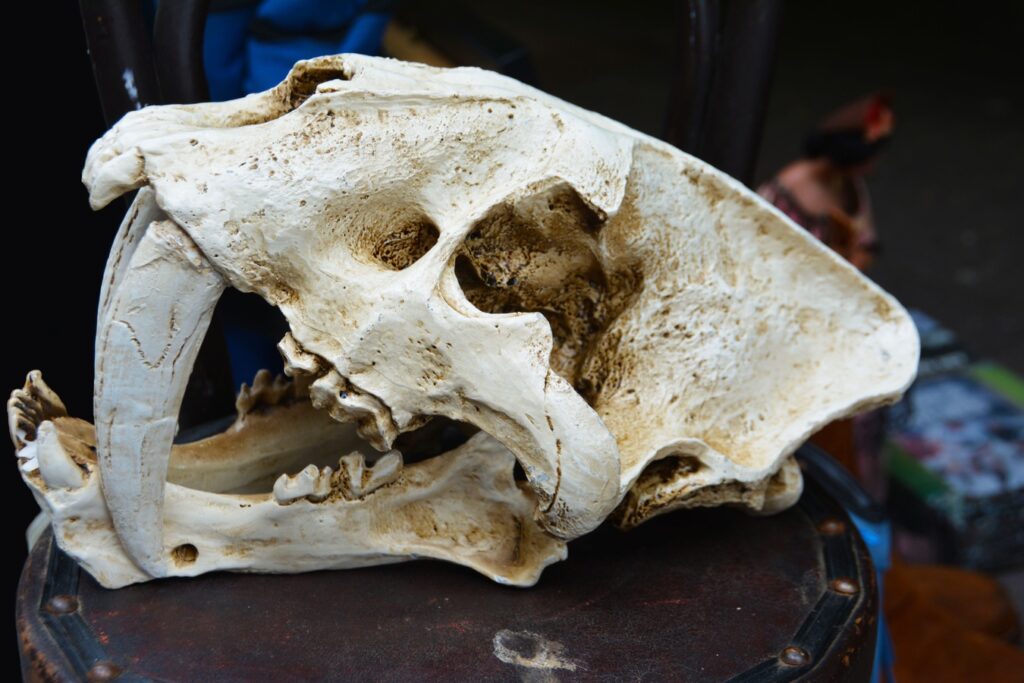
.A saber-toothed tiger hiding behind bushes posed an immediate threat. So did a lack of food or the protection of a caring group. To ensure the survival of the species, evolution developed the emotion of fear. Unfortunately, it is often triggered “just in case”. Sometimes it’s excessive or too intense – which from an evolutionary perspective is very logical.
Imagine the aforementioned tiger crouching behind a bush while an early human approaches nearby fruit. Our ancestor could have made only two types of mistakes. While passing by the bush, they might have been frightened that the tiger was hiding behind it – even if it wasn’t there – and, thanks to the caution aroused by fear, they would have safely reached the fruit after the tiger left, or through another route. Or, without fear, they might have gone straight for the fruit – and never made it. The first type of mistake only caused unnecessary fear – the second could cost a life. Nature, with its long-term plans, obviously preferred the first case,. Which has had a huge impact on our lives up to the present day.
The Discrepancy Between Evolution and Modern Life
Today, we are at a stage of development where evolution (of emotions) is struggling to keep up with progress and the fast pace of life. Our emotional system is still not fully adapted to today’s challenges. (Such as the overwhelming exposure to screen light or its frequent flickering). And for artists, this might manifest in excessive fear of presenting their work publicly.
Evolutionarily, the emotion of shame emerged to prevent an individual from “standing out” from the group. Because the group was essential for survival. Today, humans still live in “groups,” but the group no longer holds such critical importance for survival due to the decrease in environmental threats. Tigers no longer threaten us – yet, shame still accompanies us. And, just like fear, it can still be excessive. (For example, leading to perfectionism or blocking actions due to fear of judgment and criticism).
Emotions evolved to help us face life’s challenges. But the modern world, filled with technology and constant stimulation, triggers emotions. Which are no longer always suited to real threats. Fear and shame, which once helped our ancestors survive, can now hold us back in everyday life. Particularly in the context of creativity and artistic expression.

Art as a Therapeutic Tool.
Mindfulness, Brain Neuroplasticity, and Art Therapy
Why is art necessary? This point really doesn’t require much explanation.
Just ask anyone who creates—whether they are an amateur or a professional, whether they are just starting or living from their art. Everyone will confirm that art helps express emotions. It helps process them, sort them out, calm down, reflect, practice mindfulness, relax, and relieve their burden. It sensitizes us to beauty.
Art plays a significant role in personal development and supports therapies aimed at personal growth. It can aid in brain development and is a tool in Art Therapy. Art therapy is used to treat depression, PTSD, disabilities, and other mental health issues. It also supports the brain’s neuroplasticity. Sculpture, painting, dance, and singing give us access to our inner selves—our emotions, needs, and fears.
Art is a strong sensory stimulus by nature and even helps in accessing the unconscious part of the psyche.
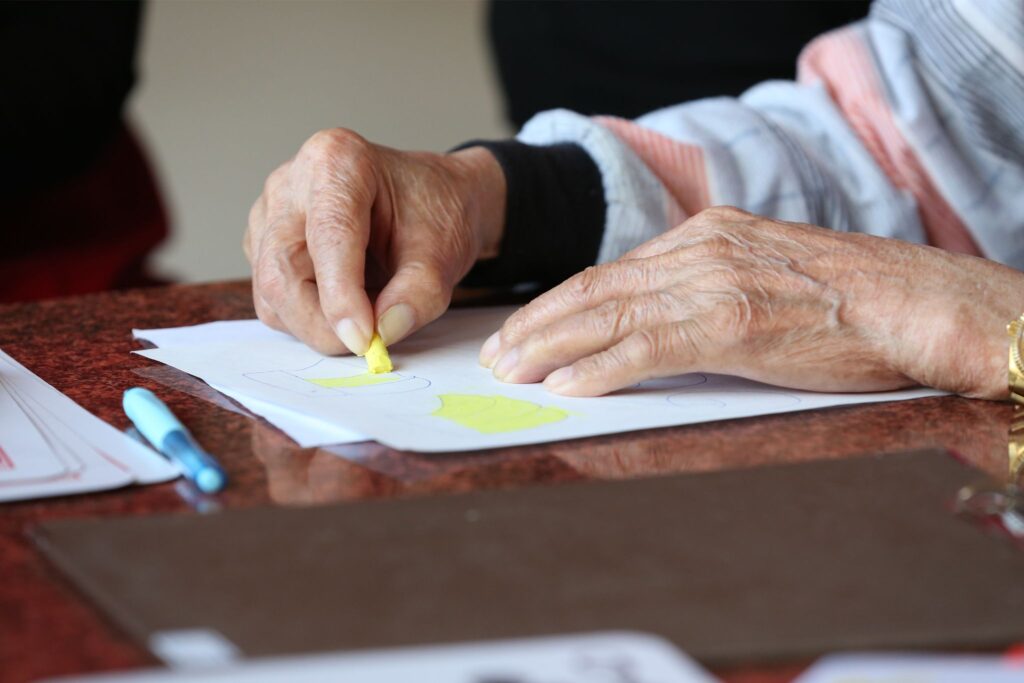
Engaging with Art as a Way to Grow.
Reflection, Relaxation, and the Impact of Art on Concentration
The same applies to engaging with art as an observer. Beyond its undeniable influence on decor—its ability to give character to a space. Its serve as a central element, calm the surroundings, or even energize them. Art can also prompt reflection on one’s own experiences and thoughts. It encourages personal growth and improves concentration.
Creating and interacting with art lowers cortisol levels, the stress hormone.
Cortisol is a natural steroid hormone. Excess cortisol can lead to various diseases, cardiovascular complications, immune system disorders, depression, and chronic fatigue. Drawing releases serotonin and endorphins, which promote a more open and lively mind. Numerous studies confirm this.
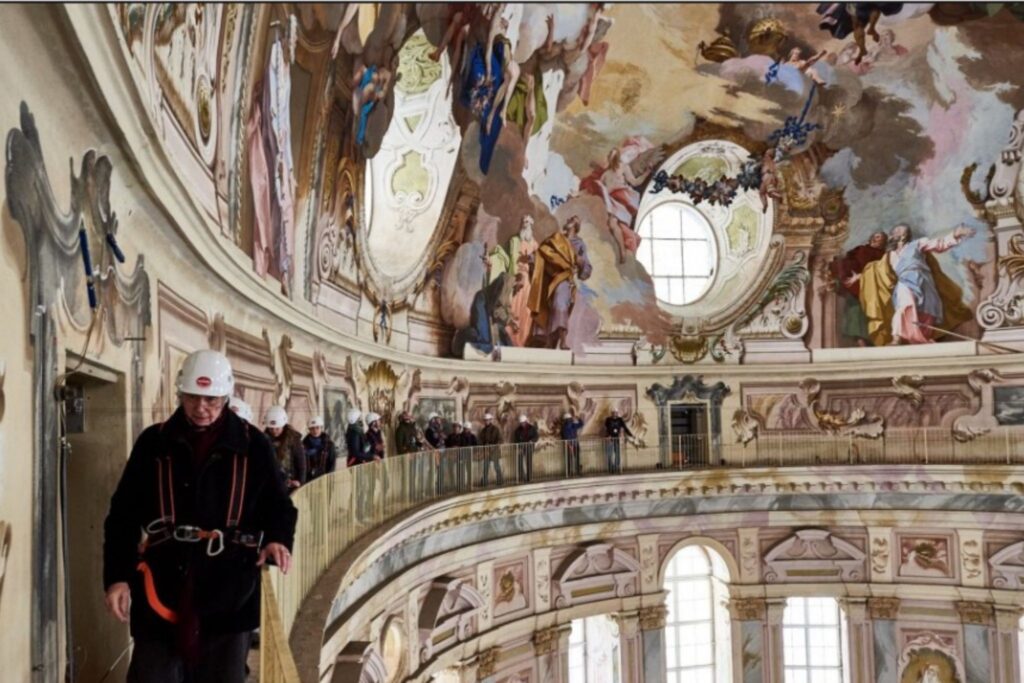
- Viewing artwork reduces stress and positively impacts health. Medical research conducted by scientists in Bologna, led by Professor Enzo Grossi. A study conducted among people aged 19 to 81, published in La Repubblica in 2016, took place at the majestic 16th-century sanctuary in Vicoforte, near Cuneo. This sanctuary is famous for its fresco-covered dome, the largest elliptical dome in the world. After a calm walk in the Sanctuary, participants showed a 60% decrease in cortisol levels on average. Forty percent of them reported feeling better after this “study.”
- Source:
- A 2016 study conducted by Girija Kaimal and her team found that participating in any form of art (drawing, painting, sculpting) for 45 minutes a day lowered cortisol levels in 75% of participants. Regardless of their artistic skills or experience. It also increased their self-confidence!
- Source:
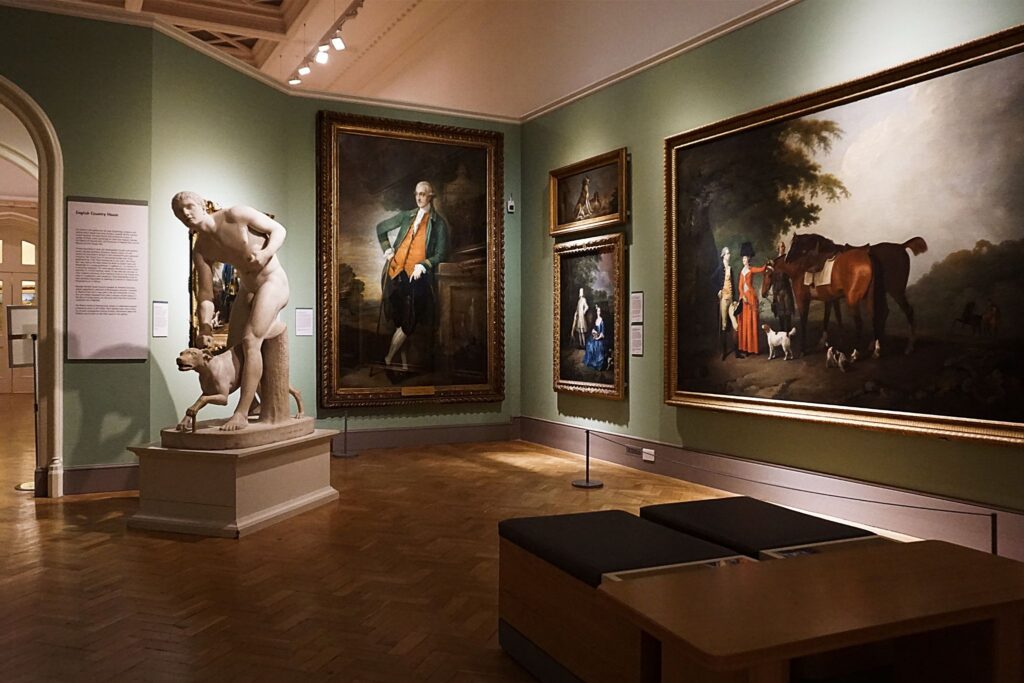
- Visits to museums or art galleries also have a positive effect on stress levels. Research at University College London showed that even 35 minutes spent viewing art can significantly reduce cortisol levels.
- Source:
Art as a Source of Knowledge
Animals and humans are instinctively curious. Animals explore their environment, while human curiosity drives us to develop. We expand our knowledge, and understand the world, helping us adapt to change. Science is undoubtedly the most important source of knowledge, but not the only one. Art broadens our understanding of the world, describing, depicting, and expanding meanings, while also documenting. In today’s galleries and exhibitions, we find knowledge about both past and present times. The customs of our ancestors, and their way of life – aspects that are sometimes difficult to access through written documents. This is invaluable heritage left to us by our forebears.
Art also serves as a tool for communication, transcending language barriers. Political posters, for instance, have been – and continue to be – powerful media for propaganda. In the digital age, art has evolved into a universal language that connects people across cultures and regions. Every religion has always had – and will likely continue to have – an expression in art, reflecting beliefs, rituals, and history. The influence of art extends beyond galleries, touching every aspect of life: from advertising to social movements, from education to therapy. The examples are countless.
Neurobiology and Art: How Does Art Affect Our Brain?
Curiosity, mentioned at the beginning of the previous section, and the pursuit of knowledge, have their counterpart in stimulating the reward system. And this is where we come to neurobiology. Scientists studying these connections have established a new cognitive field: neuroaesthetics. This field analyzes the impact of art and aesthetics on humans. Its research focuses on the broad relationship between aesthetic experience and the brain states accompanying it. We will delve into this topic in the next section of the blog.
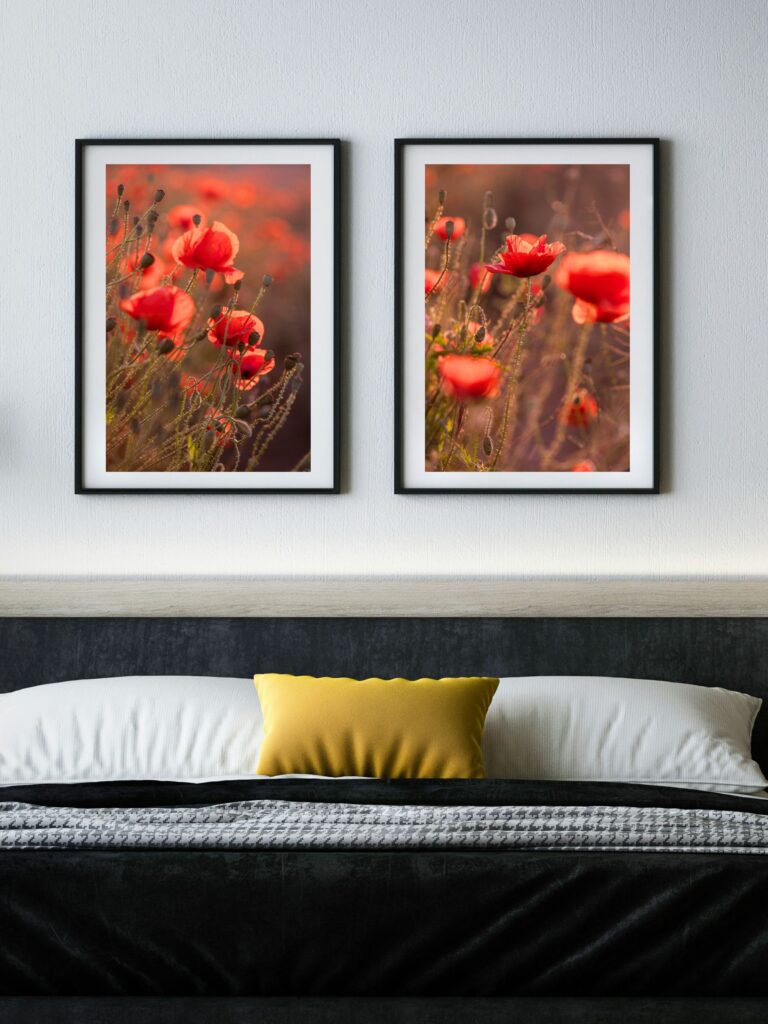
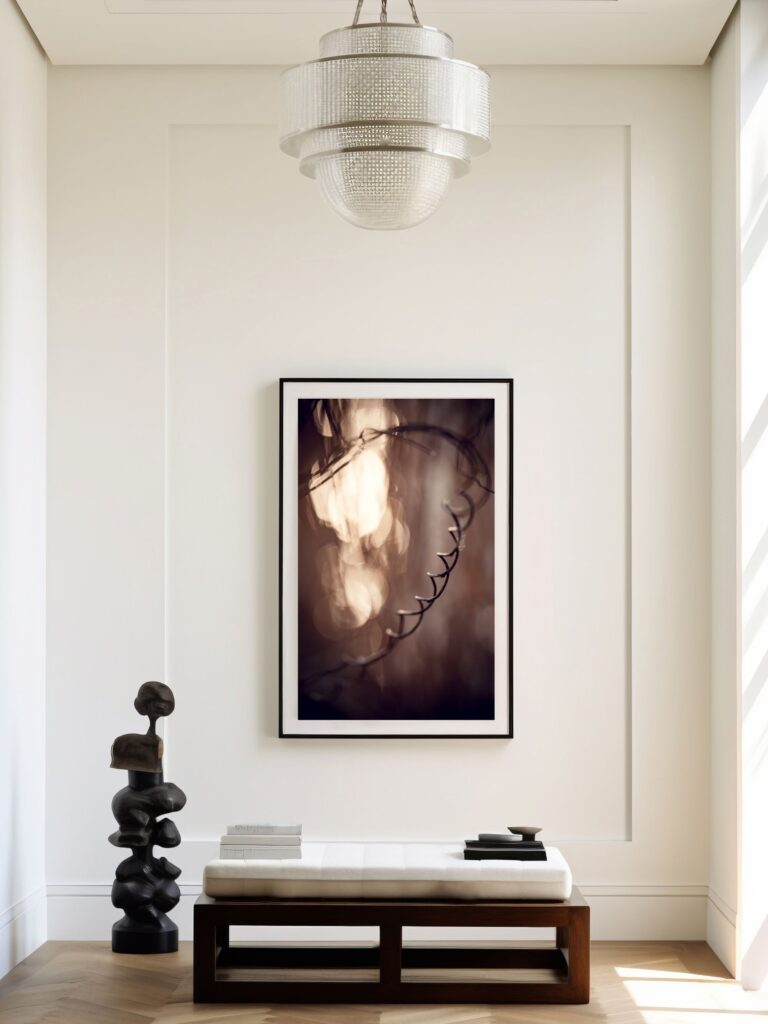
Invite Art into Your Life. Discover the Healing Power of Art
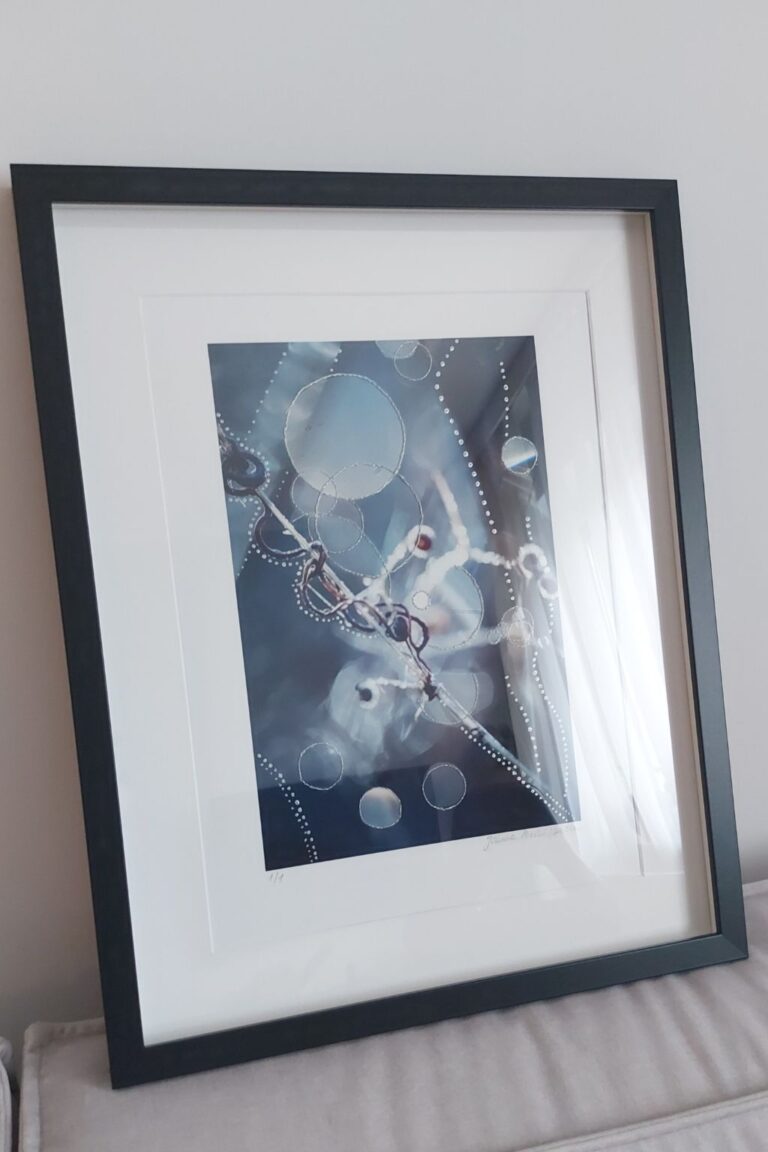
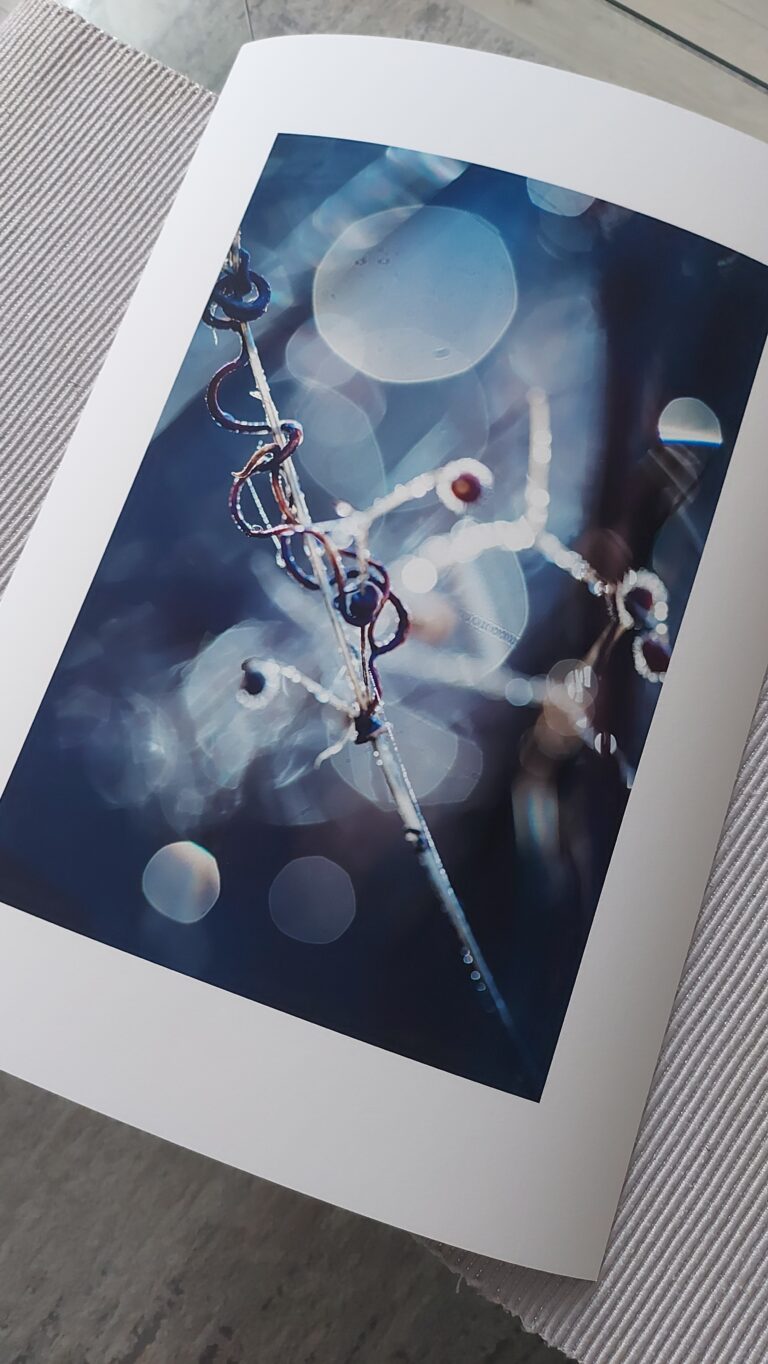
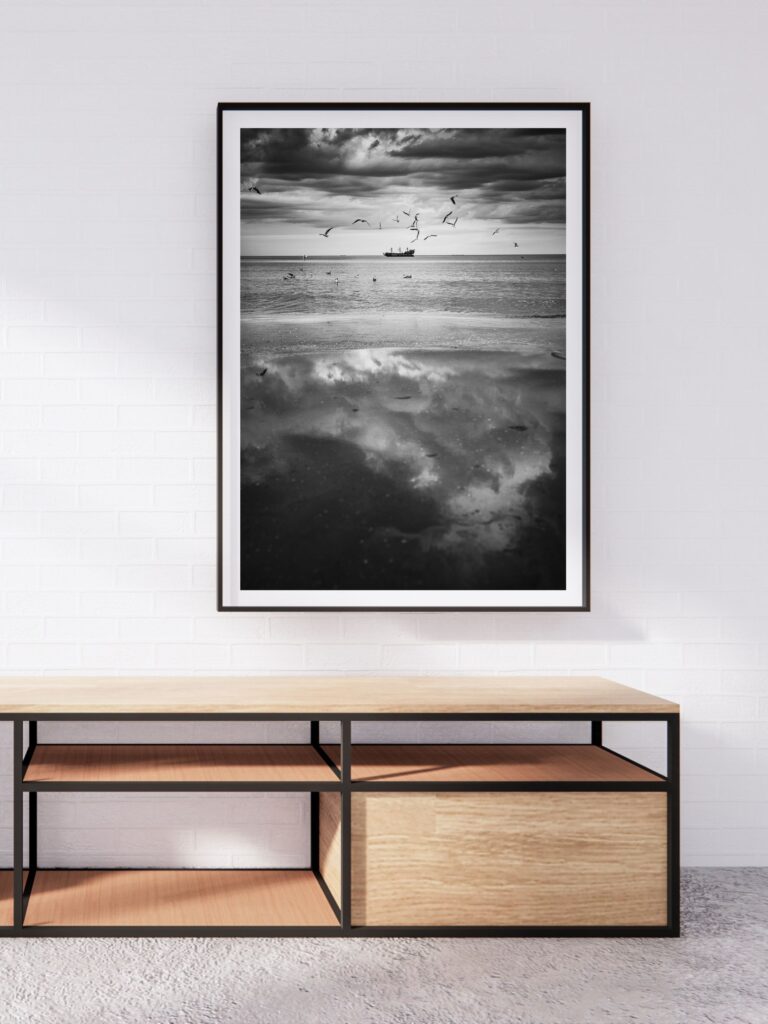
Remember, you don’t need to visit caves or art galleries or pull out an easel to connect with art (at least not every day 🙂 ). You can invite art — and its beneficial effects on your nervous system — into your home or office, or even into the hallways of your spa or reception area. Discover which of my calming fine art photography brings you peace and positive energy, creating a harmonious atmosphere. And at the same time, experience the creative mastery of Mother Nature, which I observe and interpret in my work.
If you’re wondering which pieces will resonate with you the most, explore my collections and see which artwork speaks to your soul. Whether you’re drawn to large-scale landscape art or the intimate details of macro abstract photography, or perhaps you seek something that will add character to your contemporary or feminine interior, you can find inspiration in my curated works.